


Girl Scout Troop Camping & Campout Guide: What to Pack, Plan, Cook & Prep
There’s nothing quite like a Girl Scout camping trip. Whether your troop is heading out for a weekend campout, a cabin stay, or a larger camporee, being prepared makes all the difference.
Troop camping builds independence, teamwork, and confidence—but it also requires planning meals, organizing gear, and keeping everything running smoothly.
👉 Grab our FREE Troop Camping Checklist here:
[INSERT YOUR CHECKLIST LINK]
Camporee vs. Troop Camping vs. Campout
Not every Girl Scout outdoor experience is the same, and understanding the differences helps you plan correctly.
Camporee
A camporee is typically organized by your Service Unit or Council.
- Large group event with multiple troops
- Activities are usually planned for you
- Meals are often provided or coordinated
- Less responsibility on individual troop leaders
Girls mainly need:
- Personal gear
- Day bag essentials
- Basic troop items
Troop Camping
Troop camping is when your individual troop plans and runs the entire experience.
- You choose the location
- You plan all meals
- You organize activities
- You manage gear, setup, and cleanup
Your troop is responsible for:
- Meals
- Cooking setup
- Gear
- Camp setup and breakdown
- Schedule and activities
This is where most of your planning (and this blog) comes into play.
Campout
A campout is more of a style or type of trip, not who runs it.
It usually means:
- Overnight outdoor stay (tent or cabin)
- Shorter trip (often 1–2 nights)
- More casual and flexible than a full structured event
A campout can be:
- A troop-run camping trip
- OR part of a larger event like a camporee
Think of it this way:
- Camporee = who organizes it (big event)
- Troop camping = who’s responsible (your troop)
- Campout = what you’re doing (overnight outdoor experience)
Why This Matters
Knowing the difference helps you:
- Pack the right gear
- Plan the right meals
- Set expectations with parents
- Avoid showing up to a troop campout like it’s a camporee (which… happens more than people admit)
Is Your Troop Ready for an Overnight Campout?
Before you start planning meals and packing bins, take a step back and make sure your troop is actually ready for an overnight camping trip. Not every group is there yet—and that’s okay.
A successful campout isn’t just about supplies. It’s about making sure the girls are emotionally, physically, and mentally prepared for the experience.
Emotional Readiness
- Can spend time with the whole group, not just close friends
- Is comfortable being away from home overnight
- Can handle darkness, outdoor noises, and unfamiliar surroundings
- Is okay with bugs, dirt, and nature
- Can follow group expectations and routines
- Actually wants to go
Physical Readiness
- Can carry their own gear (or help with it)
- Has the stamina for planned activities
- Can participate in basic camp tasks
Willingness to Learn
- Will try new things like outdoor cooking or sleeping in a new environment
- Can follow directions and safety rules
- Is starting to take responsibility for personal belongings
If your troop isn’t quite there yet, consider starting with a backyard campout or indoor overnight first. Building skills gradually helps set everyone up for a more successful (and enjoyable) camping experience.
Troop Camping Rules & Expectations
Before your trip, it’s important to set clear expectations with your troop. This helps everyone understand what is expected and creates a safer, more enjoyable experience for both girls and adults.
Some rules should be set by leaders for safety reasons, while others can be created together with the girls. When girls are involved in setting expectations, they are more likely to follow them.
Keep rules simple, clear, and easy to enforce. Review them before the trip and go over them again once you arrive at camp.
Here are some common troop camping rules to consider:
- Stay with the group and do not wander away from the campsite
- Always use the buddy system, even at night
- Report anything unusual or unsafe to an adult immediately
- Wear appropriate footwear like closed-toe shoes
- Follow all safety rules and instructions
- Respect other campers and their property
- Leave the campsite better than you found it
- Use tools like knives or saws only with adult supervision
- Report all injuries to the First Aider
Always use the buddy system—even at night or for short trips like going to the bathroom. Girls should stay in pairs or small groups and never go anywhere alone. Each girl is responsible for staying with her buddy and looking out for one another.
Setting expectations ahead of time helps prevent issues and allows everyone to focus on having fun.
Create a Simple Behavior Agreement (Have Girls & Parents Sign)
One of the best ways to reinforce expectations is to create a simple behavior agreement before your trip.
This doesn’t need to be complicated. A short, clear agreement that outlines expectations and consequences is enough.
- Review the rules together as a troop
- Discuss what happens if rules are not followed
- Keep consequences reasonable and age-appropriate
- Have girls sign the agreement so they feel ownership
- Consider having parents sign as well so expectations are clear at home
This step may feel extra, but it makes a big difference—especially for first-time campers or larger groups.
When everyone understands the expectations ahead of time, you’ll spend less time managing behavior and more time enjoying the experience.
⚠️ SMALL BUT IMPORTANT TIP
Do NOT:
- Make this sound like school rules
- Overload with 20 bullets
Keep it:
👉 practical
👉 realistic
👉 leader-to-leader tone
Leave No Trace: A Core Girl Scout Camping Principle
One of the most important values in Girl Scout outdoor experiences is learning how to care for the environment. Leave No Trace means enjoying the outdoors while protecting it so others can enjoy it too.
This isn’t just a rule for camping—it applies to every outdoor activity.
At its core, Leave No Trace means being mindful of how your troop interacts with nature and making choices that reduce your impact.
Here are the key principles to keep in mind:
- Plan ahead and prepare for your trip
- Stay on designated trails and camp in appropriate areas
- Dispose of waste properly—pack it in, pack it out
- Leave nature as you find it (don’t pick plants or take items)
- Minimize campfire impact and follow fire safety rules
- Respect wildlife and observe from a distance
- Be considerate of other campers and groups
Teaching these habits helps girls build responsibility and respect for the outdoors while reinforcing important Girl Scout values.
A simple way to reinforce this with your troop is to remind them:
Leave it better than you found it.
Planning Your Girl Scout Camping Trip
Once you know your troop is ready, the next step is planning. A little preparation ahead of time makes a huge difference in how smoothly your campout runs.
Start by involving the girls in the planning process. Girl-led planning is a core part of the experience and helps build confidence, responsibility, and teamwork.
Choose Your Location
- Decide on a campsite that fits your troop’s experience level
- Consider access to bathrooms, water, and shelter
Plan Your Schedule
- Map out key activities (meals, hikes, downtime, campfire)
- Keep a balance between structured time and free time
Assign Roles Early
- Use your kaper chart to assign responsibilities
- Rotate jobs so everyone participates
Plan Meals Together
- Keep meals simple and realistic
- Assign cooking groups
- Prep what you can ahead of time
Prepare Important Documents
- Permission slips
- Health forms
- Emergency contacts
Taking the time to plan these details ahead of your trip helps reduce stress and allows you to focus on enjoying the experience once you arrive.
Plan Your Arrival (What Happens Before You Even Unload)
Before you even arrive at camp, take a few minutes to plan how your troop will get there. A little coordination ahead of time can prevent confusion, delays, and unnecessary stress on arrival day.
- Choose a meet-up location before heading to camp so everyone can arrive together if possible
- Create a contact list for all drivers in case someone is running late
- Confirm arrival times ahead of time to keep things running smoothly
- Make sure your required adults (including your First Aider and trained leader) arrive before the rest of the group
Having a simple arrival plan helps your troop start the trip calm, organized, and ready to jump into the fun.
The One-Car Rule (Check Your Camp Guidelines First)
Some camps and camporees may limit how many vehicles can enter the campsite, often allowing only one designated vehicle for troop gear. This is commonly the First Aider’s vehicle, but rules can vary depending on the location.
- Check your camp or service unit guidelines ahead of time
- If only one vehicle is allowed, use it for shared troop gear like coolers and equipment
- Plan for girls and adults to carry personal items to the campsite
- Organize gear ahead of time to avoid confusion when you arrive
Knowing the rules before you go helps your troop transition into camp smoothly without delays or last-minute scrambling.
Your First Hour at Camp (Set Yourself Up for Success)
What you do in the first hour at camp can set the tone for your entire trip. Taking a little time to get organized right away helps everything run more smoothly.
- Set up bathrooms first with toilet paper, soap, and paper towels
- Establish a central water station so everyone stays hydrated
- Assign sleeping spaces so girls can settle in
- Introduce key adults, including the First Aider
- Post your camp rules, kaper chart, and schedule in a central location
Starting camp with a clear setup plan helps everyone feel comfortable, confident, and ready to enjoy the experience.
Post Your Camp Plan (Simple Signage That Makes a Big Difference)
Once you arrive and start setting up your campsite, take a few minutes to post important information in a central location. This helps keep everyone organized and reduces constant questions throughout the day.
Post items where both girls and adults can eathe number ofsily see them, such as in a unit house, pavilion, or common gathering area.
Include:
- Troop rules and expectations
- Kaper chart (job assignments)
- Daily schedule
- Emergency procedures or important contact information
Review everything with the group once it’s posted so everyone knows where to find it.
This simple step helps campers stay informed, encourages independence, and keeps your camp running more smoothly.
Stay Organized with a Kaper Chart
A kaper chart keeps everyone involved and helps camp run more smoothly.

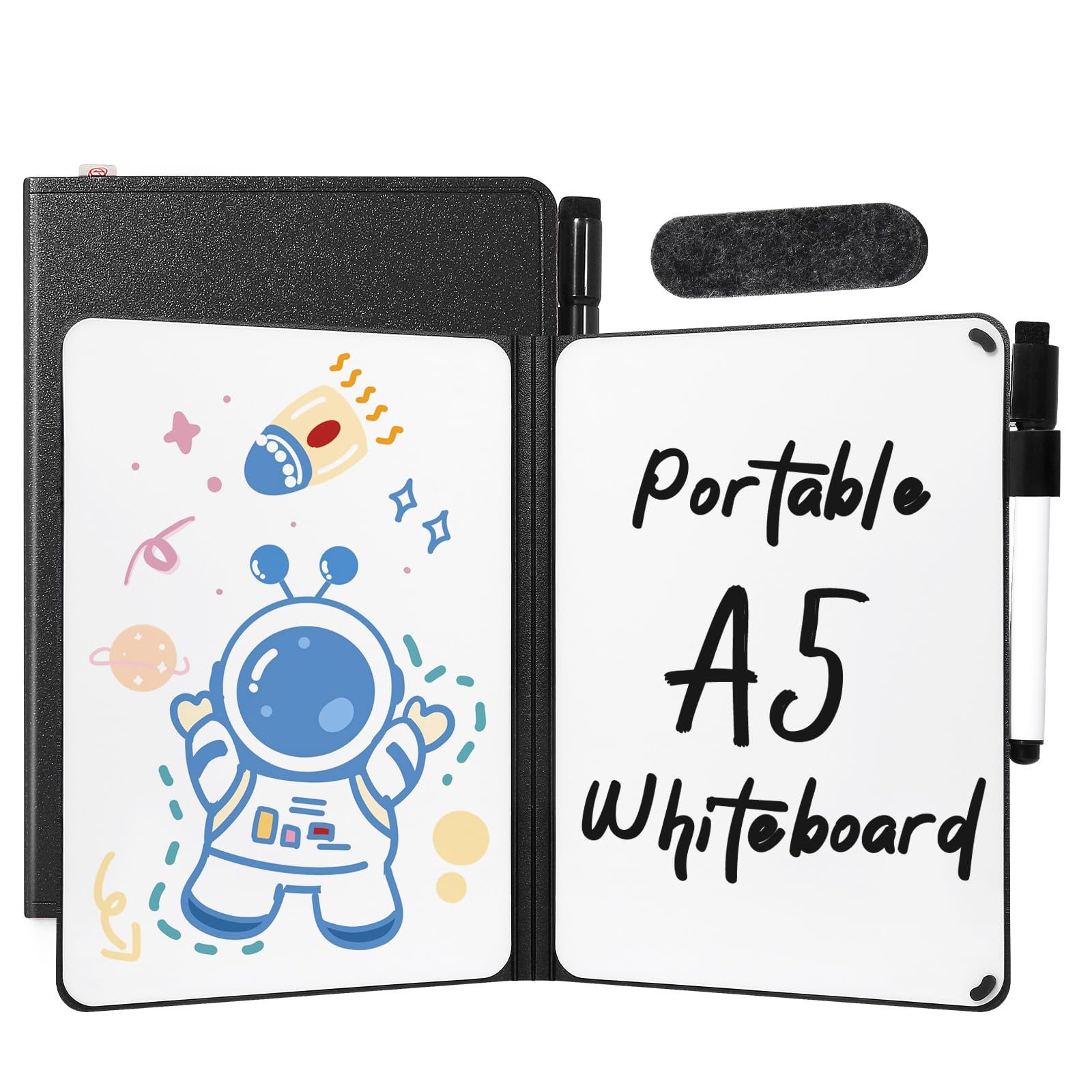

We use:
- 4 kapers for 4 meals
- Rotate roles so every girl participates
Helpful Tools to Create Your Kaper Chart:
- Dry Erase Whiteboard Notebook(reusable planning)
- Magnetic Dry Erase Labels (easy rotation)
- Acrylic Clear Ruler (clean layout)
What Girls Should Pack
Each girl should have her own personal gear plus a day bag with essentials she may need throughout the day.
A good day bag should include:
- Refillable water bottle
- Sunscreen
- Bug spray
- Flashlight or headlamp
- Sit-upon
A sit-upon gives girls a clean, dry place to sit during campfire, activities, hikes, or breaks—and once they have one, they use it constantly.
Sit-Upon Options (DIY or Ready-to-Go)
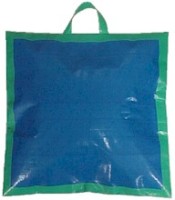

If you want to make it a fun troop activity, you can create your own:
👉 How to Make an Easy Sit-Upon for Girl Scouts
https://girlscoutleader.net/2018/10/how-to-make-an-easy-sit-upon-for-your-girl-scouts.html
This is a great hands-on project and a fun way to connect it to outdoor or craft badges.
If you don’t have time (because you’re doing literally everything else), here’s a ready-to-go option:
👉 Portable Waterproof Foam Sit-Upon Camping Seat Pad (Ready to Use)
These are lightweight, waterproof, and easy to clip onto a backpack—no prep required.
Sun Protection
- Neutrogena Ultra Sheer Body Mist SPF 70 (easy spray option for quick reapplication)
- Neutrogena Ultra Sheer Sunscreen Lotion (traditional lotion option)
Lighting & Safety
- Headlamp 2-Pack (hands-free lighting)
- Flashlight 6-Pack (great for group use)
- AA Batteries 12-Pack
- D Batteries 4-Pack
- Whistle (helpful safety item)
- Bandanas (great for campfire, sweat, hair, and general camp use)
Toiletries & Personal Care
- Fragrance-Free Shampoo and Conditioner (a nice option for camp)
- Travel Bottles Set(for easy packing)
- Mesh Shower Caddy (keeps shower items together)
- Johnson’s Hand & Face Wipes (great for quick cleanups)
Lighting & Safety Essentials

Camp Kitchen Setup


Optional:
Easy Camp Meals That Work


Walking Tacos (First Night Lifesaver)
Perfect when:- You’re short on daylight
- You’re setting up camp
- Everyone is hungry
Keep meat warm:
Camp Cooking Skills (Simple + Fun)


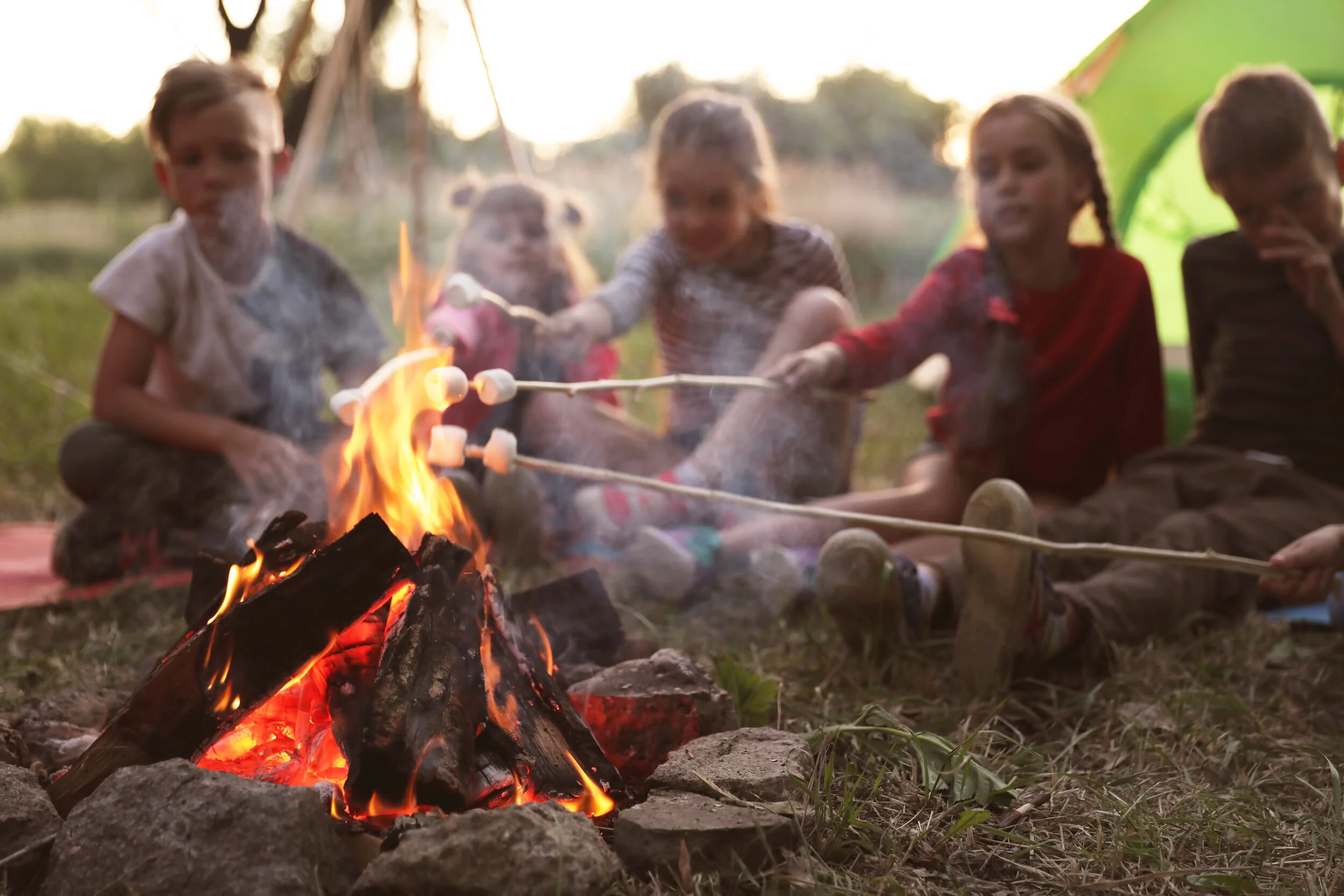
- Foil pack meals (easy cleanup)
- Box oven baking (fun activity)
Tip: Pre-make muffin mix → pour and bake
Food Storage, Coolers & Keeping Things Cold
This section definitely belongs in the blog, because food storage is a huge part of troop camping.

Coolers & Cold Storage
- YETI Tundra 35 Cooler (durable cooler option)
- BODEGA 12V Portable Refrigerator (great for longer trips or extra cold storage)
- Portable Power Station 88Wh (helpful for extra power needs)
These are especially useful when you are storing:
- taco toppings
- drinks
- dairy
- breakfast items
- snacks that need to stay cold
For troop camping, coolers and cold storage make meal prep much easier and help keep food organized.
Stay Cool & Bug-Free
The fastest way for camp to go downhill is for everyone to be hot, sweaty, itchy, and miserable.

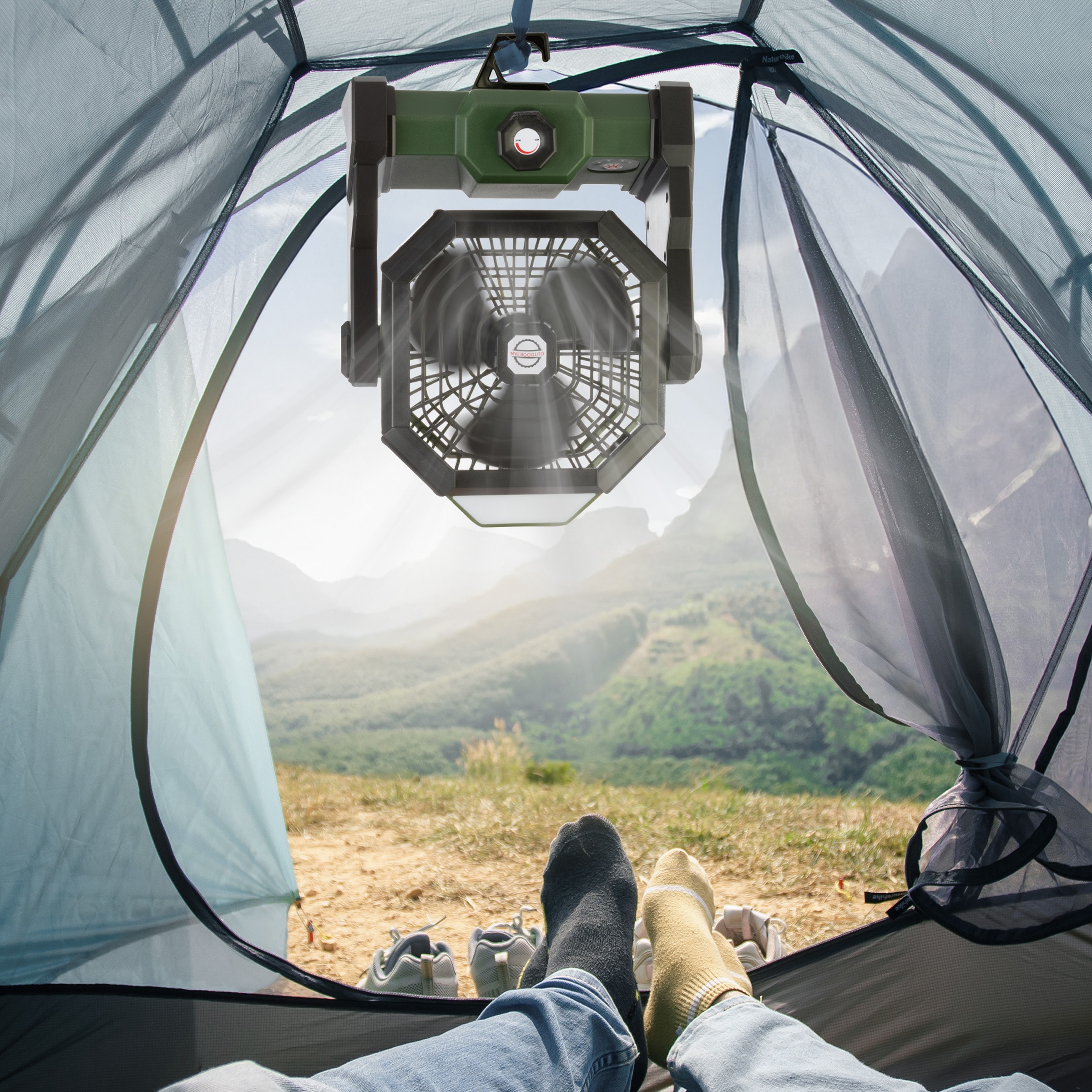
Hot Weather Helpers
Bug Protection
- Mosquito Repellent Bracelets
- Mosquito Repellent Stickers
- Thermacell Mosquito Repeller
- Quitch Bug Bite Relief Patches
- Benadryl Anti-Itch Gel
Camp Setup Essentials
This is one of the biggest differences between a camporee and a troop campout. For troop camping, setup gear matters.

Shelter & Camp Setup
- 8 Person Instant Tent (easy setup for troop camping)
- 12' x 16' Tarp (great for under the tent)
- Folding Camp Kitchen Table (prep and serving station)
- Extra Large Picnic Blanket (great for gathering, food, or sitting)
- Camping Chairs 2-Pack (always useful around camp)
A tarp under the tent is one of those things people skip until they regret it. It helps protect the tent floor and keeps moisture from coming up from the ground.
Sleep Setup
Sleep can make or break a campout. Cold, uncomfortable, or tired girls usually turn into emotional chaos by the second day.

Sleep & Comfort
- Camping Cot with Mattress
- Inflatable Sleeping Pad
- Sleeping Bag for Adults and Kids
- Quick Dry Towels
- Portable Clothesline
Organization & Storage
Good camp organization saves time, space, and everyone’s patience.


Helpful Storage Tools
- Mesh Zipper Pouches (great for separating items)
- Heavy Duty Storage Bags (easy for blankets and gear)
- Vacuum Storage Bags (great for bedding and bulky items)
- Clear Snack Bags (helpful for food organization)
Don’t Forget These
No links needed, just don’t forget:
- Trash bags
- Paper towels
- Hand sanitizer
- Toilet paper
- Emergency contacts
Final Thoughts
Troop camping and campouts don’t have to be overwhelming.
Keep it simple:
- Prep ahead
- Use systems
- Assign roles
- Keep meals easy
👉 Download your FREE Troop Camping Checklist:
[INSERT LINK]
TROOP GEAR: MATCH, REPRESENT & BUILD TROOP SPIRIT
Once your gear and planning are set, one of the easiest ways to elevate your trip is with coordinated troop gear.

One of the easiest ways to make your troop camping experience feel organized, fun, and memorable is to have coordinated troop gear.
And no, this is not just about “looking cute” (although… let’s be honest, it helps).
It’s about:
- Building team identity
- Helping leaders quickly identify their girls
- Creating lasting memories (and photos you’ll actually want to keep)
- Making events like campouts, camporees, and trips feel official
🎽 Why Troop Shirts Matter (More Than You Think)
Matching troop shirts are one of those things you don’t fully appreciate until you’ve used them.
They help:
- Keep your troop together in busy camp settings
- Make transitions (meals, activities, hikes) easier to manage
- Give girls a sense of pride and belonging
Custom troop apparel is extremely popular across scouting groups, with many families choosing personalized shirts with troop numbers or names to create unity and identity.
✨ What Makes a Great Troop Shirt
Not all troop shirts are created equal. Some end up worn once and forgotten. The good ones get worn all season.
Look for:
- Customizable designs (troop number, names, theme)
- Comfortable fabric (especially for outdoor wear)
- Durable prints (camp = dirt, sweat, repeat)
- Versatility (can be worn beyond just one event)
If you’re comparing options, here are a few typical styles out there:
💚 Whippie’s Troop Collection (Your Troop, Your Style)
Now here’s where you come in (subtle, not subtle).

Your Whippie’s Girl Scout Collection is designed specifically for:
- Troop camping
- Campouts
- Cookie season
- Events and everyday wear
Unlike generic shirts, your collection:
- Focuses on real troop use
- Includes fun, modern designs girls actually like
- Offers customization options for troop identity
- Matches the vibe of today’s Girl Scouts (not 1998 uniforms)
👉 Shop the full collection here:
https://whippiesstore.com/collections/girl-scout-collection
🏕️ When to Use Troop Gear
Troop apparel isn’t just for meetings. It becomes part of the experience.
Perfect for:
- Campouts
- Campfire nights
- Travel days
- Group photos
- Cookie booths
- Bridging ceremonies
It also helps parents feel more comfortable when kids are clearly part of a group during larger events.
- End-of-year slideshows actually worth watching
🧭 Final Thought
You’re already doing the hard work planning the trip.
Troop gear is one of those small additions that:
- Makes things easier
- Feels more organized
- And honestly… just makes the whole experience more fun
